Community
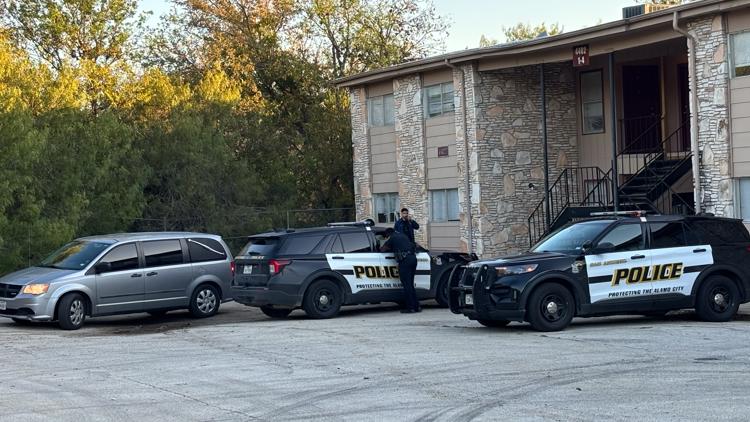
SAPD: Man found dead at southeast-side apartment complex
By Monica Ramirez
Advertisement · Why this ad?
Lily is a graduate of the University of the Incarnate Word with a degree in Public Health and has been working as a reporter focusing on health issues in the community for over four years. She previously contributed to local health magazines and is passionate about improving public health awareness in San Antonio.
More from Lily →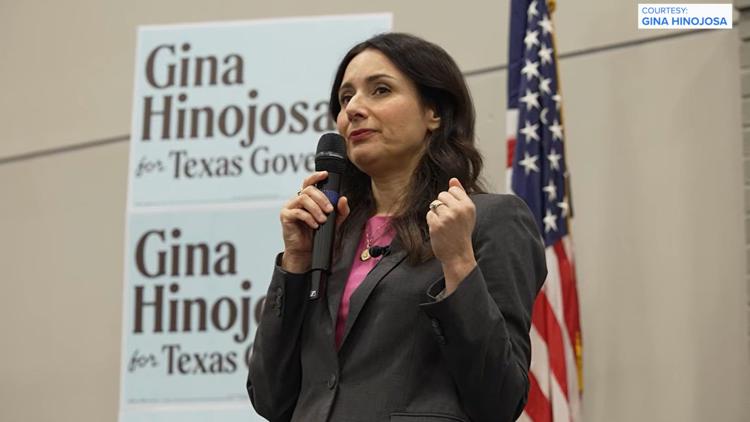
As the sun sets over the San Antonio skyline, the streets buzz with anticipation. Residents are abuzz with the prospect of receiving a one-time payment of $1,500, a plan proposed by Governor-elect Gina Hinojosa. For many families, this potential windfall could mean the difference between financial strain and a little extra breathing room during challenging economic times.
Recently, Governor-elect Gina Hinojosa unveiled an ambitious proposal to utilize $17 billion from Texas's rainy-day fund to provide direct payments to residents. This initiative aims to address rising costs of living that have been exacerbated by inflation and economic uncertainty. However, as of now, the payment or distribution date remains unapproved, leaving many Texans in suspense about the future of this financial relief.
The rainy-day fund, officially known as the Economic Stabilization Fund, was designed to help the state weather economic downturns. With a significant surplus, Hinojosa argues that now is the time to tap into these funds to support everyday Texans. The proposed $1,500 payments are intended to help families cover essential expenses, such as groceries, utilities, and healthcare costs, which have surged in recent years.
While the proposal has gained traction among many residents, it also faces scrutiny from various political factions. Some lawmakers express concerns about the long-term implications of depleting the rainy-day fund, arguing that it could leave the state vulnerable in the future. The debate continues as the community weighs the immediate benefits against potential future risks.
The response from the San Antonio community has been a mix of hope and skepticism. Many residents, like Maria Gonzalez, a single mother of two, see the proposed payment as a lifeline. "This could really help us catch up on bills and maybe even save a little for my kids' education," she shared during a local town hall meeting. Gonzalez's sentiments reflect the struggles faced by families across the state, where rising costs have strained household budgets.
Conversely, some community members express caution. Local business owner James Rodriguez fears that while immediate financial relief is welcome, the long-term economic implications could be detrimental. "We need to think about the sustainability of our economy. If we drain our rainy-day fund now, what happens when we really need it?" he questioned, emphasizing the need for balanced financial planning.
This divide in opinion highlights the complex nature of economic relief measures. Residents understand the urgency of immediate support but are also mindful of the potential consequences of such actions. As discussions unfold, community forums provide a platform for these varied perspectives, fostering a deeper understanding of the issue at hand.
As the proposal moves through the legislative process, several key steps must be taken before any payments can be distributed. First, the Texas Legislature must convene to debate and vote on Hinojosa's plan. This process involves rigorous discussions, amendments, and ultimately, a consensus among lawmakers. Given the current political climate, where opinions on fiscal responsibility can vary widely, the path to approval may be fraught with challenges.
Should the Legislature approve the plan, the next phase involves logistical considerations. State agencies would need to establish a framework for distributing payments, ensuring that funds reach eligible residents efficiently. This could involve utilizing existing infrastructure from programs like the Texas Health and Human Services Commission, which manages various assistance programs.
Moreover, the timeline for distribution remains uncertain. While Hinojosa's administration aims for swift action, the complexities of state governance often lead to delays. Residents are encouraged to stay informed through local news outlets and community organizations that will provide updates on the progress of the proposal.
The backdrop of this proposal is crucial for understanding its significance. Texas has seen a surge in living costs, with inflation rates reaching levels not seen in decades. According to the Bureau of Labor Statistics, the consumer price index for the San Antonio area has increased by over 5% in the past year alone, impacting everything from housing to groceries.
Data from the U.S. Census Bureau reveals that nearly 20% of San Antonio residents live below the poverty line, highlighting the urgent need for financial support. The proposed payments could provide a temporary reprieve for these families, helping them navigate the financial pressures they face daily.
Experts emphasize that while direct payments can offer immediate relief, they are not a substitute for long-term economic solutions. Addressing systemic issues such as affordable housing, healthcare access, and job creation will be essential for sustainable economic growth. The proposed payments could serve as a stepping stone toward broader discussions about economic reform in Texas.
For those looking for assistance in the meantime, several local organizations are available to help families navigate financial challenges. The City of San Antonio provides resources through its Department of Human Services, which offers various support programs, including food assistance and housing resources.
Additionally, organizations like the United Way and The Salvation Army are actively working to support families in need. These organizations can provide invaluable resources, from food pantries to financial counseling, helping families weather the storm until potential payments are approved.
As discussions around Hinojosa's proposal continue, the San Antonio community remains hopeful yet cautious. The prospect of receiving $1,500 could bring much-needed relief to many families, but the path to realization is complex. With legislative hurdles to overcome and logistical challenges ahead, residents are urged to stay engaged and informed.
Local leaders and activists are stepping up to ensure that community voices are heard throughout this process. Organizations such as the City of San Antonio are mobilizing residents to attend town hall meetings and engage with their elected representatives. This grassroots involvement could be pivotal in shaping the outcome of Hinojosa's proposal.
Moreover, social media platforms are being utilized to spread awareness and encourage discussions among residents. Many community members are sharing personal stories about how the proposed payments could impact their lives, creating a narrative that resonates with lawmakers and the broader public.
The importance of community advocacy cannot be overstated. Local leaders, such as city council members and community organizers, are working together to build momentum for Hinojosa's plan. By fostering a coalition of support, they aim to present a united front to the Texas Legislature, highlighting the urgency of the situation and the potential benefits of the proposed payments.
Ultimately, the success of this initiative will depend on community advocacy and participation. As Texans rally for financial support, the importance of strong families and committed communities shines through. Whether this proposal becomes a reality or not, it serves as a reminder of the resilience and unity that define the spirit of San Antonio.
By Monica Ramirez

By Monica Ramirez

By Monica Ramirez

By Lily Nguyen