Will Texans get $1,500? What must happen for Gina Hinojosa’s payment plan to become reality
Dylan Carter covers the rapidly evolving tech scene in Austin, with a focus on startups and innovation. He graduated from Texas A&M University and has previously written for the tech section of the Houston Chronicle for over 8 years.
More from Dylan →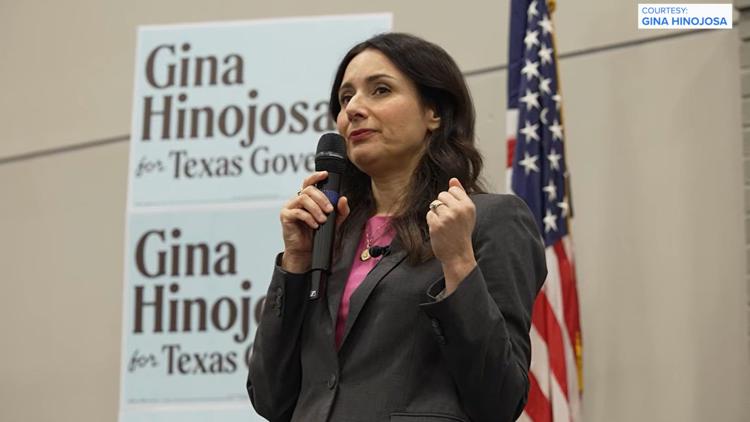
In this story
As the sun dipped below the horizon, casting a warm glow over the Texas Capitol, a crowd gathered to hear Governor-elect Gina Hinojosa unveil her ambitious plan to provide $1,500 payments to Texans. The air was thick with anticipation as she spoke about the potential relief these payments could bring to families struggling with rising costs. Yet, amidst the excitement, a crucial question looms: what needs to happen for this plan to transition from a hopeful proposal to a tangible reality?
What Happened
In a bold move, Governor-elect Gina Hinojosa has proposed utilizing $17 billion from the state’s rainy-day fund to facilitate direct payments to Texans. This initiative aims to provide much-needed financial assistance to families across the state, particularly in the wake of economic challenges exacerbated by recent inflationary trends. However, as of now, no specific payment or distribution date has been approved, leaving many residents in a state of uncertainty.
The rainy-day fund, officially known as the Economic Stabilization Fund, is designed to help Texas manage budget shortfalls during economic downturns. Hinojosa’s proposal represents a significant shift in how this fund could be used, emphasizing immediate relief for residents rather than long-term savings. This strategy underscores her commitment to addressing the financial pressures faced by many Texans, especially those in lower-income brackets.
While the proposal has garnered support from various community leaders and advocacy groups, it also faces scrutiny from fiscal conservatives who question the sustainability of such a large expenditure. The debate surrounding the plan highlights the complexities of balancing immediate financial relief with the long-term fiscal health of the state.
Community Reaction
The reaction from the community has been mixed, reflecting a spectrum of opinions on the proposed payment plan. Many families are hopeful, viewing the $1,500 payments as a lifeline that could help them navigate rising costs of living, especially in urban areas like Austin. Local resident Maria Gonzalez expressed her optimism, stating, "This money could help pay for groceries and keep the lights on. It’s a blessing for families like mine who are struggling to make ends meet."
On the other hand, some residents remain skeptical, questioning the feasibility of the plan. Mark Thompson, a local business owner, voiced his concerns, saying, "While I understand the need for assistance, I worry about where this money is coming from. We need to ensure that we’re not jeopardizing our state’s financial future for short-term gains." This sentiment echoes a broader concern among some Texans about the long-term implications of drawing from the rainy-day fund.
Voices from the Ground
Community leaders have also weighed in on the proposal, with many advocating for the payments while calling for transparency and accountability in the distribution process. Austin City Council member Vanessa Fuentes remarked, "If we are going to move forward with this plan, it’s crucial that we have a clear strategy in place to ensure the funds are distributed fairly and efficiently. Transparency will be key to gaining public trust in this initiative."
The Path Forward
For Hinojosa’s payment plan to materialize, several key steps must be taken. First and foremost, the Texas Legislature must approve the use of the rainy-day fund for this purpose. This process will likely involve extensive negotiations and discussions among lawmakers, especially given the differing opinions on fiscal responsibility and economic strategy.
Additionally, the governor-elect will need to outline a clear framework for how the payments will be distributed, including eligibility criteria and the logistics of delivering the funds to residents. Ensuring that the process is straightforward and accessible will be vital in maximizing the impact of the payments.
Moreover, Hinojosa’s administration will need to engage with community organizations and stakeholders to gather input and build support for the initiative. By collaborating with local leaders and advocacy groups, the administration can foster a sense of community ownership over the plan, which may help alleviate some skepticism among residents.
Economic Implications
The economic implications of Hinojosa’s proposal are significant, as it aims to stimulate local economies by putting money directly into the hands of Texans. Economists argue that direct payments can lead to increased consumer spending, which in turn supports local businesses and can help stabilize the economy during challenging times.
However, critics warn that reliance on one-time payments may not address the underlying issues contributing to financial instability for many families. Experts suggest that while immediate relief is essential, long-term solutions such as affordable housing initiatives, job training programs, and investments in education are equally important to create sustainable economic growth.
In this context, Hinojosa’s plan can be seen as a vital first step, but it should be part of a broader strategy aimed at fostering economic resilience and stability for all Texans.
Resources for Families
As the community awaits further developments regarding the payment plan, several local resources are available to assist families in need. Organizations such as Central Texas Food Bank provide vital support in addressing food insecurity, while Austin Family Support Services offers various programs aimed at helping families navigate financial challenges.
Additionally, the Texas Department of Housing and Community Affairs can assist families seeking affordable housing options, while WorkInTexas provides job placement services for those looking to enter or re-enter the workforce.
These organizations play a crucial role in supporting families and helping them access the resources they need to thrive, particularly in uncertain economic times. Engaging with these services can provide immediate relief as families await further clarity on the proposed payment plan.
Looking Ahead
As the conversation around Hinojosa’s payment plan continues to unfold, the focus will remain on how the state can best support its residents during these challenging times. The potential for $1,500 payments to Texans represents not only a financial lifeline but also a testament to the commitment to fostering a strong, resilient community.
Moving forward, it will be essential for Hinojosa and her administration to communicate transparently with the public about the progress of the plan and to address any concerns that arise. Building trust with the community will be vital in ensuring that the initiative is successful and that it meets the needs of those it aims to support.
In the coming months, as legislative discussions progress and the framework for the payment plan is developed, Texans will be watching closely. The hope is that this initiative will pave the way for a brighter future, where families can thrive and the American dream of stability and prosperity remains within reach for all.