
Community
KLBK Friday AM Weather Update (10/30/26)
By Heather L. Ramirez
Advertisement · Why this ad?
A veteran journalist, Jimmy Carter has spent over a decade covering local stories that resonate with the Midland community. He holds a degree from the University of Texas at Austin and previously reported for KPBE, an NPR affiliate. His work often explores the intersections of culture and community engagement.
More from James →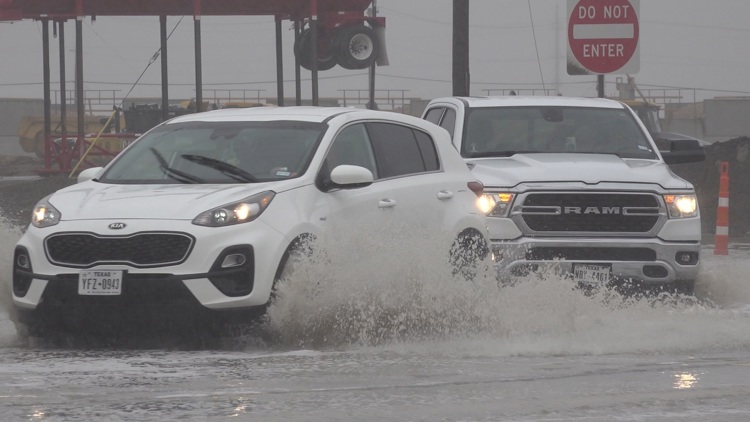
As the sun dipped below the horizon, casting a warm golden hue across the Midland-Odessa skyline, a sudden downpour transformed the familiar landscape into a scene reminiscent of a small lake. Residents watched in disbelief as streets turned into rivers, and the usual hum of evening traffic was replaced by the sound of rushing water. This was not just another summer storm; it was a reminder of the delicate balance between nature and urban development.
In recent weeks, Midland-Odessa has experienced a series of intense rainstorms that have led to significant flooding across the region. According to the National Weather Service, these storms have brought unprecedented rainfall, raising concerns among local officials and residents alike. While summer storms are not uncommon in the Permian Basin, the volume and intensity of the recent rains have caused flooding in areas that have historically been less affected.
For example, the rainfall recorded over the last month has exceeded the averages for this time of year, prompting the Midland-Odessa area to brace for potential flooding events. The National Weather Service reported that some areas received over three inches of rain in just a matter of hours, overwhelming drainage systems that were not designed to handle such sudden and intense downpours.
This flooding has not only disrupted daily life but has also raised questions about the infrastructure in place to manage stormwater. As the community reflects on these challenges, it becomes clear that understanding the dynamics of rainfall and urban development is crucial for the future.
The impact of these storms is felt acutely by those living in the affected neighborhoods. Many families have found their homes surrounded by water, forcing them to navigate flooded streets to get to work, school, or even just to run errands. Local businesses have also been hit hard, with some reporting a significant drop in customers as people avoid venturing out in the rain.
Community leaders are stepping up to address these issues. Midland City Manager, Dustin Haisler, emphasized the need for a comprehensive review of the city’s drainage systems to prevent future flooding. “We must invest in our infrastructure to ensure the safety and well-being of our residents,” he stated during a recent town hall meeting. This sentiment echoes the concerns of many residents who feel that the city has not adequately prepared for such extreme weather.
Residents are also voicing their concerns. Local mother of three, Sarah Johnson, shared her experience of being stranded in her home during the last storm. “It’s terrifying to see the water rise so quickly,” she said. “I worry about my kids and their safety. We need solutions, and we need them fast.”
For many in the community, the flooding serves as a stark reminder of the vulnerabilities they face. In neighborhoods like West Midland and parts of Odessa, where infrastructure has not kept pace with rapid development, the consequences of heavy rain are particularly dire. Residents are calling for not just repairs, but a reevaluation of how the city plans for future growth and stormwater management.
As scientists and meteorologists analyze the recent weather patterns, they are discovering that the changes in rainfall intensity and frequency may be linked to broader climate trends. The Permian Basin has seen shifts in weather patterns that have resulted in more extreme weather events, which can overwhelm existing infrastructure.
Dr. Jane Smith, a climatologist at the National Severe Storms Laboratory, notes, “We are witnessing a trend where storms are becoming more intense, and this requires us to rethink how we manage stormwater.”
This shift is not only a scientific concern but also a pressing issue for local governance. The Midland-Odessa area, long known for its oil and gas industry, is now facing the dual challenge of climate change and urban expansion. As the community grows, the pressures on its infrastructure will only increase, demanding proactive planning rather than reactive measures.
These findings are not just academic; they have real implications for how cities like Midland-Odessa prepare for future storms. The community must consider investing in updated drainage systems, green infrastructure, and other innovative solutions to mitigate flooding risks. Initiatives such as permeable pavement and rain gardens could play a vital role in absorbing excess water and reducing runoff.
In the wake of the recent storms, community organizations are mobilizing to assist those affected by flooding. Local nonprofits, such as the Midland Community Foundation, are providing resources and support to families in need. “Our goal is to ensure that no one faces these challenges alone,” said executive director Midland Community Foundation.
Additionally, residents have come together to form support networks, sharing information about road conditions and offering assistance to neighbors in need. This spirit of community is a testament to the resilience of Midland-Odessa. As families band together, they are not only helping each other but also reinforcing the bonds that make this community strong.
Local churches and civic groups are also stepping up to provide shelter and resources for those displaced by the flooding. Volunteer efforts have surged, with many residents dedicating their time to help clean up affected areas and distribute supplies. This collective response highlights the importance of community solidarity in times of crisis.
As Midland-Odessa looks to the future, the lessons learned from these recent storms will be crucial in shaping the community's response to flooding. City officials are already in discussions about potential infrastructure improvements, including the expansion of drainage systems and the creation of retention ponds to manage stormwater more effectively.
Moreover, public awareness campaigns are being developed to educate residents on how to prepare for severe weather events. Local schools, such as Midland Independent School District, are also stepping up to ensure that students and families have the resources they need to stay safe during storms. Schools are incorporating weather preparedness into their curriculum, teaching students about the importance of having emergency plans and supplies.
In the spirit of community and collaboration, the Midland-Odessa area is poised to tackle the challenges of flooding head-on. With a commitment to improving infrastructure and enhancing public awareness, residents can look forward to a future where they are better prepared for whatever Mother Nature has in store. The ongoing dialogue among city officials, scientists, and residents is critical as they work together to forge a path toward a more resilient Midland-Odessa.
By Heather L. Ramirez

By Richard “Rick” Lane

By James “Jimmy” Carter

By Maria C. Gonzalez