Community
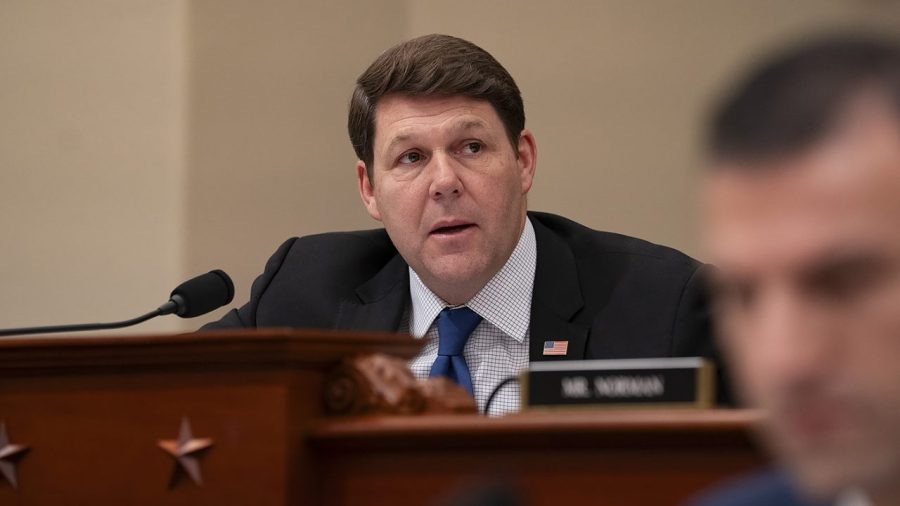
Jodey Arrington makes statement on midterm election
By Maria C. Gonzalez
Advertisement · Why this ad?
Lila Chen is an arts reporter with 5 years of experience writing for local publications like The Austin Chronicle and KUT. She has a degree in Art History from the University of Texas at Austin and loves exploring the intersection of culture and creativity.
More from Lila →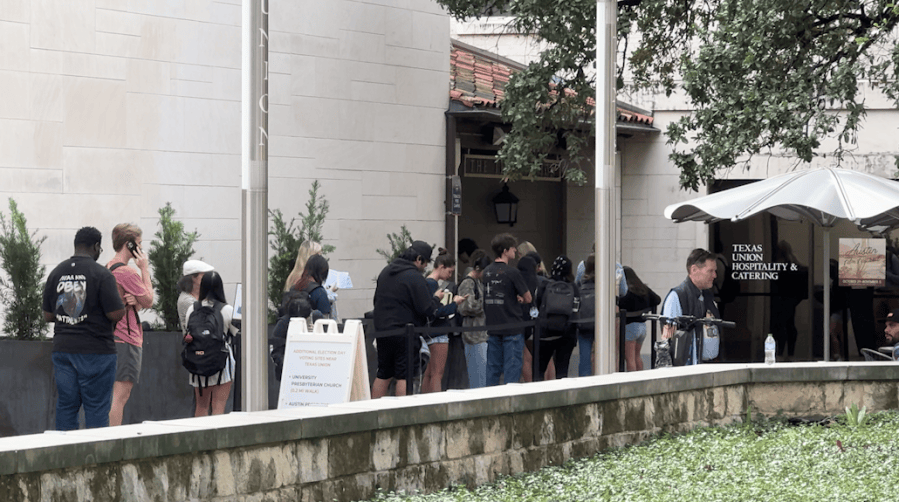
As the sun dipped below the horizon, casting a warm golden glow over the vibrant streets of Austin, the air buzzed with anticipation. Residents gathered in local cafes and parks, sharing their thoughts on the recent election results that had left many races hanging in the balance. A palpable excitement filled the air as conversations turned to the upcoming runoffs, a crucial moment that could shape the future of their beloved city.
In the recent local elections, several races have advanced to runoffs scheduled for December 2026. This development comes after no candidate managed to secure the necessary 50% of votes needed to claim victory outright. The runoff elections will provide a second chance for candidates and voters alike, as they engage in a more focused dialogue about the issues that matter most to the community.
Among the races that have advanced to runoff status are key positions that affect the daily lives of Austinites. The mayoral race, which has been particularly contentious, has seen a split in voter preferences, reflecting the diverse opinions of the city’s residents. Candidates are now preparing for an intensified campaign, eager to sway undecided voters and solidify their bases.
Local political analysts suggest that the runoffs will not only determine who takes office but also serve as a referendum on the current administration's policies. With pressing issues like housing affordability, public safety, and transportation at the forefront, the stakes could not be higher for both candidates and voters.
The response from the community has been a mix of enthusiasm and concern. Many residents are eager to see their voices heard in the runoff elections, while others express frustration over the need for a second round of voting. “It’s exhausting,” said local resident Maria Gonzalez, who has been actively following the election process. “But I understand that every vote counts, and we need to make sure we choose the right leaders for our city.”
Community organizations are stepping up to encourage voter turnout in the runoffs. Groups like Austin’s Office of the City Clerk and local advocacy groups are hosting forums and informational sessions to educate voters about the candidates and their platforms. This grassroots effort aims to empower residents to make informed decisions.
One particularly noteworthy aspect of this election cycle has been the engagement of younger voters. Initiatives aimed at mobilizing the youth have gained traction, with many students and young professionals stepping up to advocate for change. “We’re the future of this city, and we want to make sure our voices are represented,” stated university student Jason Lee, who has been involved in voter registration drives.
This increased participation from younger demographics could significantly impact the outcome of the runoffs, as candidates will need to address the concerns of this vital voting bloc. Issues such as climate change, affordable housing, and equitable education are at the forefront of their minds.
Local leaders and influencers have recognized the importance of the runoff elections, not only for the candidates but for the community as a whole. City Council members and neighborhood association heads have begun to mobilize their constituents, emphasizing the necessity of participating in the electoral process. “This is our chance to influence the future of Austin,” said Council Member Sarah Martinez during a recent town hall meeting. “We cannot afford to sit on the sidelines when the decisions made in these runoffs will affect our neighborhoods for years to come.”
Additionally, local businesses are getting involved by hosting candidate meet-and-greets and providing platforms for discussions about pressing issues. The owner of a popular coffee shop, Tom Nguyen, expressed his commitment to civic engagement: “We want to create a space where people can come together, share ideas, and learn about the candidates. It’s about building community and making sure everyone’s voice is heard.”
As the December runoff elections approach, candidates are ramping up their campaigns, focusing on key issues that resonate with the electorate. Town halls, debates, and community forums will be crucial in shaping the narratives around each candidate. With the election date set, the pressure is on for candidates to articulate clear visions for Austin’s future.
In addition to traditional campaign methods, social media is playing an increasingly significant role in this election cycle. Candidates are utilizing platforms like Twitter and Instagram to reach voters directly, sharing their messages in creative and engaging ways. This digital outreach is particularly important for connecting with younger voters who may rely more on online platforms for information.
Moreover, voter education initiatives are expected to expand as the runoffs draw nearer. Organizations are planning to provide resources that clarify the voting process, ensuring that every eligible voter understands how to cast their ballot effectively. With the potential for a high voter turnout in December, these efforts will be critical in shaping the outcome of the elections.
Despite the excitement surrounding the runoffs, challenges remain. Voter apathy, misinformation, and logistical issues could hinder turnout. Community leaders are aware of these obstacles and are actively working to combat them. “We have to ensure that people understand the importance of their vote,” said local activist Emily Rivera. “Misinformation can spread quickly, and we need to be vigilant in providing accurate information about the candidates and the voting process.”
Efforts to combat misinformation include partnerships with local media outlets and educational institutions. By providing fact-checking resources and promoting transparency, community leaders hope to foster a more informed electorate. “Knowledge is power, especially in an election,” added Rivera. “We want every voter to feel confident in their choices.”
The upcoming runoffs serve as a reminder of the importance of civic engagement in a thriving democracy. Each vote carries weight, and the collective decisions made by the community will resonate for years to come. Strong marriages and intact families, values that many Austinites hold dear, are often reflected in the choices made at the ballot box.
As families gather around dinner tables to discuss the future of their city, the conversations that unfold are imbued with the hope and commitment that define the Austin spirit. Community leaders emphasize that the health of the city is intertwined with the active participation of its residents, urging everyone to take part in shaping the future.
In this pivotal moment, the city stands at a crossroads, where the voices of its residents can steer the course of Austin's development. As the runoffs approach, it is essential that every citizen recognizes their role in this democratic process, ensuring that their values and priorities are represented in local governance.
As we look toward the December runoffs, the excitement in Austin is palpable. The city’s vibrant tapestry of cultures and perspectives is reflected in the diversity of candidates vying for office. This election cycle presents an opportunity for residents to not only choose their leaders but also to affirm their commitment to the values that bind the community together.
With the backdrop of a bustling city that thrives on creativity and innovation, Austinites have the chance to mold their future. The candidates who emerge victorious in the runoffs will have the responsibility to address the pressing concerns of the community, from infrastructure improvements to social justice initiatives.
As the campaign season unfolds, it will be a time for reflection, engagement, and hope. The runoffs are not just about electing officials; they are about fostering a sense of belonging and commitment to the shared vision of a city that thrives on strong families and authentic faith. The community's involvement will ultimately determine the direction Austin takes in the years to come.
By Maria C. Gonzalez

By Heather L. Ramirez

By Rita S. Ngoya

By Heather L. Ramirez