Sports
Thursday Night Lights Game of the Week | Harker Heights vs. Midway
By Devin M. Wright
Advertisement · Why this ad?
Lindsey is a graduate of Texas A&M University, with over five years of experience covering high school and college sports for local outlets. Her passion for sports shines through in her energetic coverage of local teams, athletes, and community events.
More from Lindsey →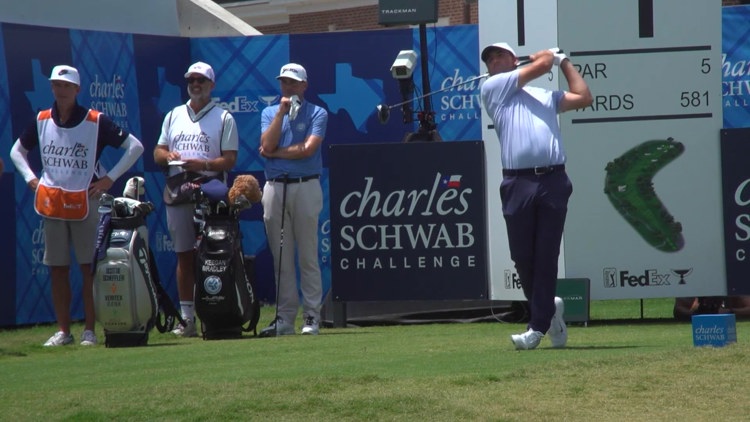
The lush fairways of Colonial Country Club, a historic gem nestled in the heart of Fort Worth, are more than just a golfer’s paradise—they’re a symbol of community pride and Texas tradition. As fans and families gather annually to watch the best in the world compete, few realize that behind the scenes, a significant change is quietly threatening to reshape the landscape of local sports. The club, home to the revered Ben Hogan statue, faces an uncertain future that could end its 80-year run as the host of one of the PGA Tour’s most cherished events.
In a move that has sent ripples through the golf community, the PGA Tour announced a new two-tier model set to launch in 2028. This restructuring aims to create a more competitive and financially sustainable tour, but it also means that traditional tournaments like the Fort Worth Invitational, held at Colonial since 1941, could be eliminated or significantly altered. The tour’s decision comes amid ongoing debates about the future direction of professional golf, with some calling it a necessary evolution and others mourning the loss of historic venues.
Colonial Country Club, with its storied history and roots deeply embedded in Fort Worth’s identity, now faces the possibility of losing its marquee event. The tournament has long been a highlight of the Texas sports calendar, drawing thousands of spectators and showcasing local talent alongside world-renowned players. The club’s management and community supporters are now rallying to preserve this tradition, emphasizing the tournament’s role in fostering community spirit and economic vitality.
Local residents, longtime fans, and even city officials have expressed concern over the potential loss. “This tournament isn’t just about golf; it’s about Fort Worth’s identity,” says Mayor Mattie Parker. “It’s a celebration of our community, our history, and our values. We need to do everything we can to keep it alive.” The tournament’s significance extends beyond sport, contributing millions annually to local charities and businesses. For many families, attending the event is a cherished tradition that spans generations.
The community’s response has been swift and heartfelt. Local businesses that rely heavily on the influx of visitors during tournament week are preparing for a potential downturn. From hotels to restaurants, the economic ripple effect of losing the tournament could be substantial. Community leaders and residents have started petitions and organized meetings with PGA officials, urging them to reconsider the decision or explore alternatives that would allow the event to continue at Colonial.
Among the most passionate voices is the Fort Worth Sports Foundation, which has been advocating for the preservation of the tournament for months. “This is more than a game; it’s a part of our history,” says foundation director Lisa Martinez. “We believe there’s a way to adapt to the new tour structure without sacrificing our traditions. Colonial’s role in shaping golf history, especially with legends like Ben Hogan, is irreplaceable.” The foundation’s efforts include engaging local schools, churches, and civic groups to demonstrate the tournament’s value beyond the greens.
Fort Worth has long been a city proud of its rich history and cultural identity. Known as the “City of Cowboys and Culture,” it boasts a diverse heritage rooted in cattle ranching, oil, and a vibrant arts scene. Colonial Country Club, established in 1936, is a cornerstone of this identity. It’s not just a golf course; it’s a monument to the city’s evolution, hosting not only the PGA event but also countless charity tournaments, youth programs, and community events that have helped shape Fort Worth’s social fabric.
Ben Hogan, arguably Fort Worth’s most famous golfer, is immortalized at Colonial with a statue that stands as a testament to the city’s sporting legacy. Hogan, born in nearby Rice, Texas, rose from humble beginnings to become one of golf’s greatest legends. His association with Colonial and Fort Worth has helped cement the city’s reputation as a hub for golf excellence. Many locals see Hogan’s legacy as intertwined with the very spirit of Fort Worth—resilient, hardworking, and committed to excellence.
Local golf enthusiasts and historians have voiced their concerns. Jim Carter, a retired golf coach and lifelong Fort Worth resident, recalls attending the tournament as a child. “It’s part of our DNA,” he says. “Losing it would be like losing a piece of ourselves.” Carter and others have been working with local schools to create educational programs about Hogan’s impact and the importance of preserving local history.
As the 2028 start date approaches, all eyes are on negotiations between the PGA Tour and Fort Worth community leaders. Discussions are ongoing, with hopes that a compromise can be reached to retain the tournament at Colonial or find a suitable alternative within the city. Meanwhile, residents remain hopeful that their beloved course and its historic tournament will continue to be a part of Fort Worth’s fabric. The city’s commitment to preserving its rich sporting heritage reflects a broader belief in the importance of community, faith, and family—values that have sustained Fort Worth through decades of change.
For now, the future of Colonial’s tournament remains uncertain, but the spirit of resilience and community pride is stronger than ever. As Fort Worth’s residents rally around their iconic course, they exemplify the enduring American dream: that through faith, perseverance, and unity, even the most historic traditions can find a way to endure. The coming months will reveal whether this beloved tournament can be saved, but one thing remains clear—Colonial Country Club’s legacy is woven into the very soul of Fort Worth, and its story is far from over.
In the wake of these developments, local golf clubs and amateur leagues are mobilizing to fill the void. Several smaller tournaments and charity events are being organized to maintain the sport’s momentum in Fort Worth. Youth programs, in particular, are gaining renewed attention, with initiatives aimed at introducing golf to underserved communities and fostering the next generation of players. The city’s parks and recreation department is exploring options to develop new public golf facilities that could serve as community hubs, ensuring that golf remains accessible and inclusive regardless of the tournament’s future.
Additionally, several local civic groups and business coalitions are advocating for a public-private partnership that could help fund a new tournament or a legacy project at Colonial. These efforts are driven by a shared belief that golf is more than a sport—it’s a catalyst for economic development, youth engagement, and community cohesion. The outcome of these negotiations and initiatives will shape Fort Worth’s sporting landscape for decades to come.
Community town halls and listening sessions are scheduled over the coming months, providing residents a platform to voice their hopes and concerns. The city is also exploring potential partnerships with local universities, such as Texas Christian University and the University of North Texas, to develop educational programs that highlight the historical significance of Colonial and its impact on Fort Worth’s identity. These initiatives aim to create a sense of shared ownership and pride, ensuring that the legacy of Colonial and its tournament endures beyond the greens.
Meanwhile, advocacy groups continue to press for negotiations that prioritize community interests. The city’s leadership remains committed to working with the PGA and other stakeholders to find a solution that respects Fort Worth’s history while adapting to the evolving landscape of professional golf. Whether through new tournaments, educational programs, or community-driven projects, Fort Worth’s passion for its sporting heritage remains unwavering.
As the countdown to 2028 begins, the story of Colonial Country Club and its historic tournament encapsulates the broader tension between tradition and innovation in sports. For Fort Worth, the potential loss of this iconic event is more than a sports story; it’s a reflection of the city’s resilience and its commitment to preserving its identity amid change. The community’s efforts to save the tournament underscore a deep-rooted belief that some legacies are worth fighting for. With continued advocacy, collaboration, and community spirit, Fort Worth hopes to keep its cherished golf tradition alive for generations to come.
By Devin M. Wright
By Lisa J. Parker

By Amber Tran

By Elena Torres